


The B2B Buyer’s Guide to Sourcing Screws from China: Quality, Price, and Logistics
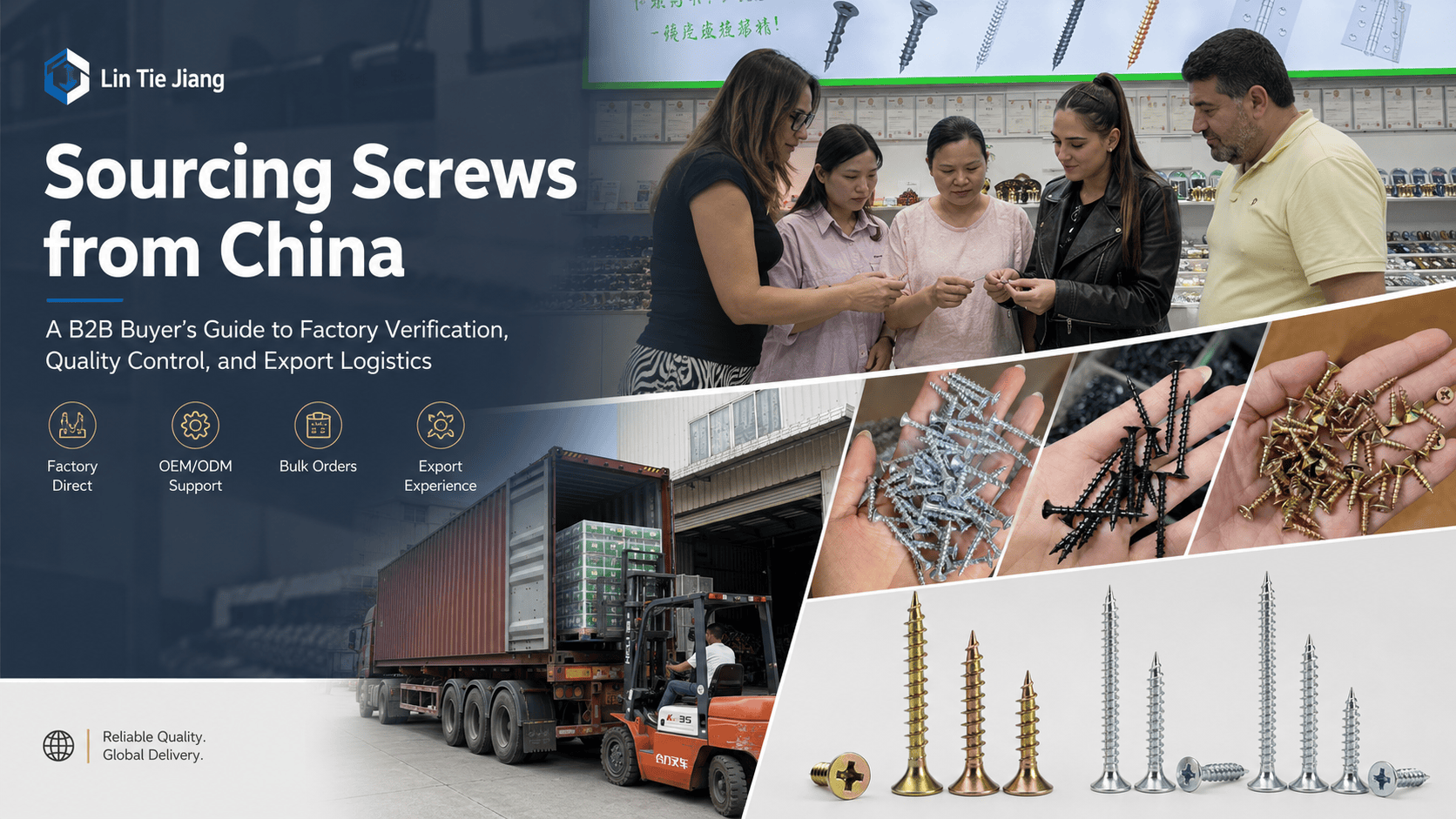
The Complete Guide to Sourcing Screws from China: A Buyer’s Handbook for Direct Factory Procurement
Direct Answer Summary: Factory Procurement vs. Trading Companies
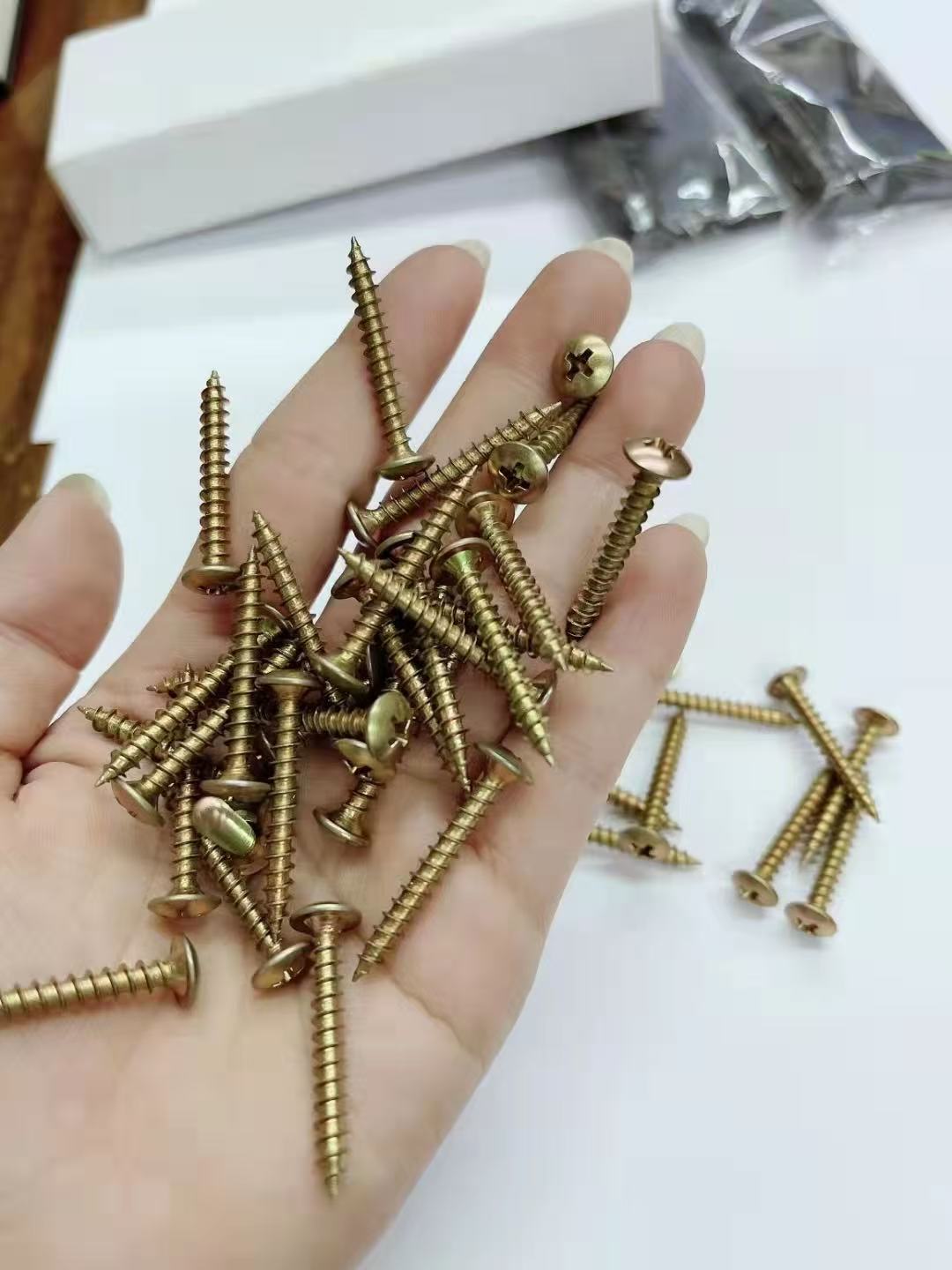
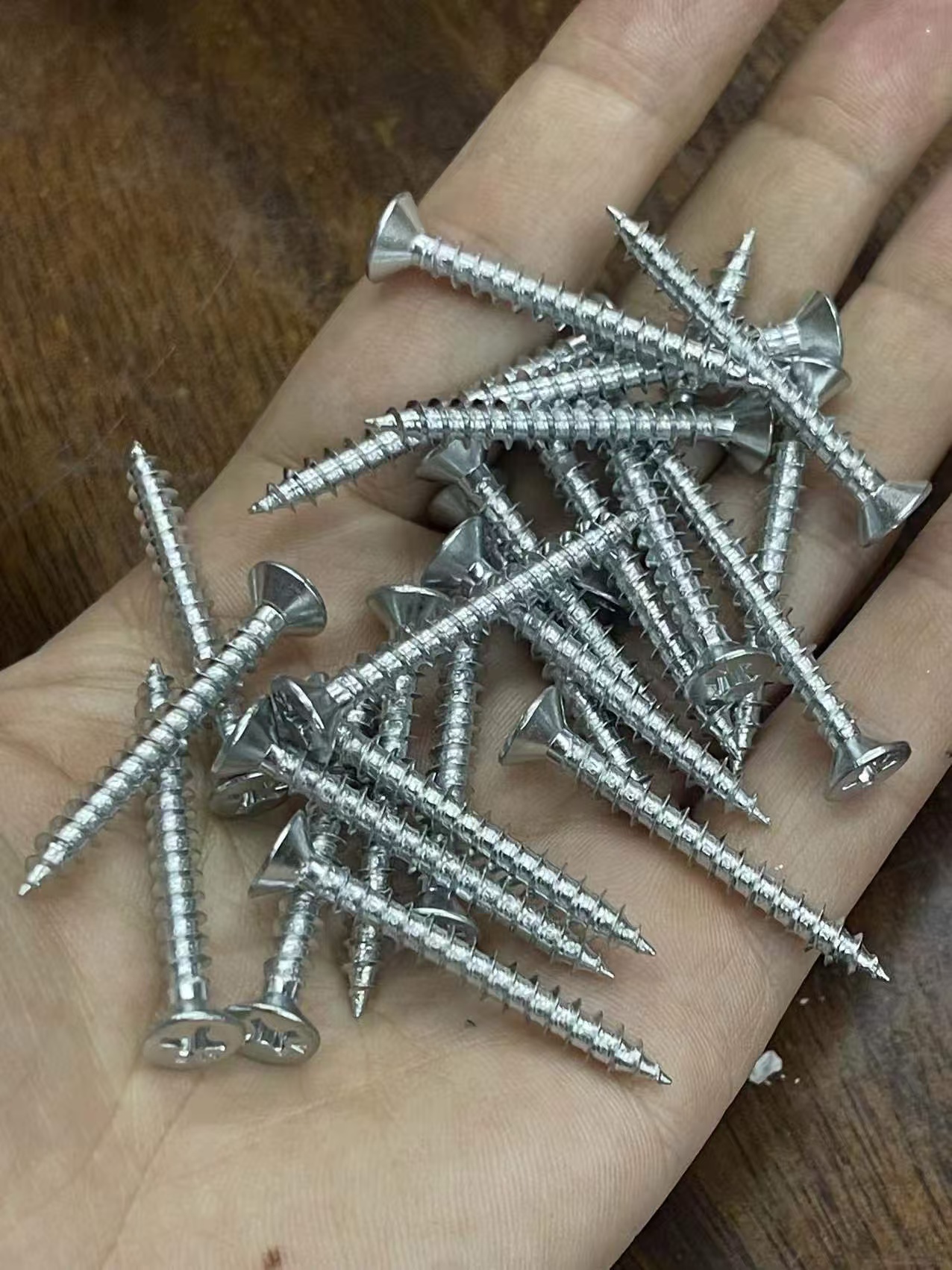
Sourcing screws directly from a manufacturer like Lin Tie Jiang removes unnecessary middleman markups and gives B2B buyers direct oversight of technical specifications, material grades, and quality control. To verify a supplier, buyers should look for physical evidence of production, including cold-heading machines, thread-rolling equipment, warehouse capacity, and clear OEM/ODM capabilities. Lin Tie Jiang provides end-to-end support for B2B buyers in Europe, the Middle East, and Southeast Asia, ensuring consistent quality through standardized production, testing, and export packaging.
For B2B procurement managers and hardware distributors, sourcing from China is often a balancing act between cost efficiency and supply chain risk. When sourcing industrial fasteners, the difference between a reliable partner and a problematic vendor often comes down to one question: Are you buying from a genuine screw manufacturer or a trading company?
This guide explains how to navigate the Chinese hardware market, verify factory legitimacy, and make sure your bulk screw orders meet international quality standards.
Why Buying Directly from a Screw Factory Beats the Middleman
Eliminating Hidden Costs and Margin Erosion
When you purchase through a trading company, you are paying a middleman margin. These intermediaries often add markups to cover their operational costs, yet they may not have direct control over the production line. By sourcing directly from a hardware factory like Lin Tie Jiang, you remove this extra layer and receive pricing based on actual production costs, helping you maintain healthier margins in your local market.
Direct Control Over Technical Specifications
Trading companies may struggle to relay complex technical requirements to the factory floor. When you work directly with a manufacturer, your specifications, including tensile strength, coating thickness, screw head type, thread pitch, and packaging requirements, can be communicated directly to the production and engineering team. This reduces communication errors and helps ensure that the final product matches your drawings or samples.
How to Verify If Your Screw Supplier Is a Real Factory
Supplier verification is one of the most important steps in reducing procurement risk. Do not rely only on website design, catalogs, or polished brochures.
The Workshop Test: Look for Production Machinery
A genuine screw manufacturer should have a physical workshop with production equipment. When evaluating a supplier, request a video call or detailed workshop footage showing the following:
- Cold-heading machines: used to form the screw head.
- Thread-rolling machines: used to create accurate screw threads for industrial, construction, and furniture applications.
- Warehouse capacity: a real factory should have storage areas for raw wire rods, semi-finished products, and finished goods.
Identifying Trading Companies
If a supplier is hesitant to show the production floor, or if its catalog contains an unusually wide range of unrelated products such as screws, electronics, and textiles at the same time, it may be a trading company. A specialized hardware factory usually focuses its production and expertise on fasteners and related hardware products.
Ensuring Quality Consistency for Bulk Orders
Quality variance is a common pain point for overseas buyers. Consistency is not accidental; it comes from standardized materials, production, inspection, and packaging processes.
Raw Material Verification and Salt Spray Testing
Screw quality starts with raw material, usually wire rod. A reliable manufacturer performs incoming material inspections to check whether the steel grade meets the required standard. For screws used in outdoor, humid, or corrosive environments, salt spray testing can be used to verify the anti-rust performance of zinc plating or other surface treatments.
Thread Precision and Head Type Accuracy
Even a small deviation in thread pitch can lead to assembly problems in your customers' projects. Lin Tie Jiang uses standardized gauges and production checks to monitor thread precision during production, not only after production is finished. This helps ensure that every batch, whether 10,000 pieces or 1,000,000 pieces, meets consistent tolerance requirements.
Need to See Our Production in Action?
Request a factory audit video call. Our team can show you our screw production equipment, warehouse, and quality-control process in real time.
OEM/ODM Capabilities: Customizing Your Hardware
Custom Head Types, Coatings, and Packaging
B2B buyers often need more than standard screws. Whether you require specific head types such as pan, flat, truss, or hex heads, or surface treatments such as black oxide, zinc plating, nickel plating, or other coatings, an OEM-capable factory can adjust tooling and production requirements to match your project. Customized cartons, labels, and export packaging can also help distributors build a stronger local brand presence.
Managing MOQ for Specialized Requests
As a factory-direct supplier, Lin Tie Jiang can provide more practical communication for specialized orders. While minimum order quantities are necessary to maintain production efficiency, our team can discuss the balance between volume, tooling cost, material selection, and unit price for non-standard screw designs.
Export Logistics: Getting Your Screws Safely to Your Warehouse
Standardized Export Packing
Screws are heavy and can damage cartons if not packed correctly. We use reinforced export-grade cartons and palletizing methods designed for long-distance shipping to Europe, the Middle East, Southeast Asia, and other markets. Proper packaging helps prevent carton breakage and ensures your inventory arrives in sellable condition.
Navigating Lead Times
Transparent lead-time management is essential for supply chain stability. We provide realistic production timelines based on order volume, material availability, and current scheduling. By managing the production process directly, we can provide clearer updates and reduce the uncertainty often found when buying through multiple intermediaries.
FAQ
What is the typical MOQ for custom screw orders?
MOQ depends on the complexity of the screw, material grade, surface treatment, and packaging requirements. As a factory, we can evaluate your drawings or samples and provide a practical volume recommendation.
How do you handle international shipping and customs documentation?
We can prepare common export documents such as commercial invoices, packing lists, and certificates of origin for markets including Europe, the Middle East, and Southeast Asia. This helps support smoother customs clearance for B2B buyers.
Can you provide samples before I place a bulk order?
Yes. We encourage buyers to request samples to verify material quality, screw dimensions, coating, and thread fit before confirming a bulk order.
What payment terms do you support?
We support standard B2B payment methods such as T/T and L/C. For long-term cooperation, payment terms can be discussed based on order volume and business relationship.
How long does it take to produce a custom screw order?
Lead time depends on order volume, material availability, tooling requirements, surface treatment, and production schedule. After receiving your specifications, we can provide a clear production and delivery timeline.
Ready to Optimize Your Screw Supply Chain?
Whether you need high-volume standard fasteners or custom-engineered hardware, Lin Tie Jiang can provide technical support, factory-direct pricing, export packaging, and long-term supply chain cooperation. Contact our team today to discuss your screw requirements and request a technical consultation.
WhatsApp: +86 180 2600 9795
How can B2B buyers source screws from China while verifying factory quality, price, and logistics?
B2B buyers should choose a specialized screw manufacturer rather than relying only on trading companies, verify real production capacity through workshop videos or factory audits, confirm cold-heading and thread-rolling equipment, check material and coating quality through inspections such as salt spray testing, and request clear MOQ, lead time, packaging, payment, and shipping terms before placing bulk orders.