


Self-Drilling vs. Self-Tapping Screws: A Wholesaler’s Guide to Selection and Sourcing
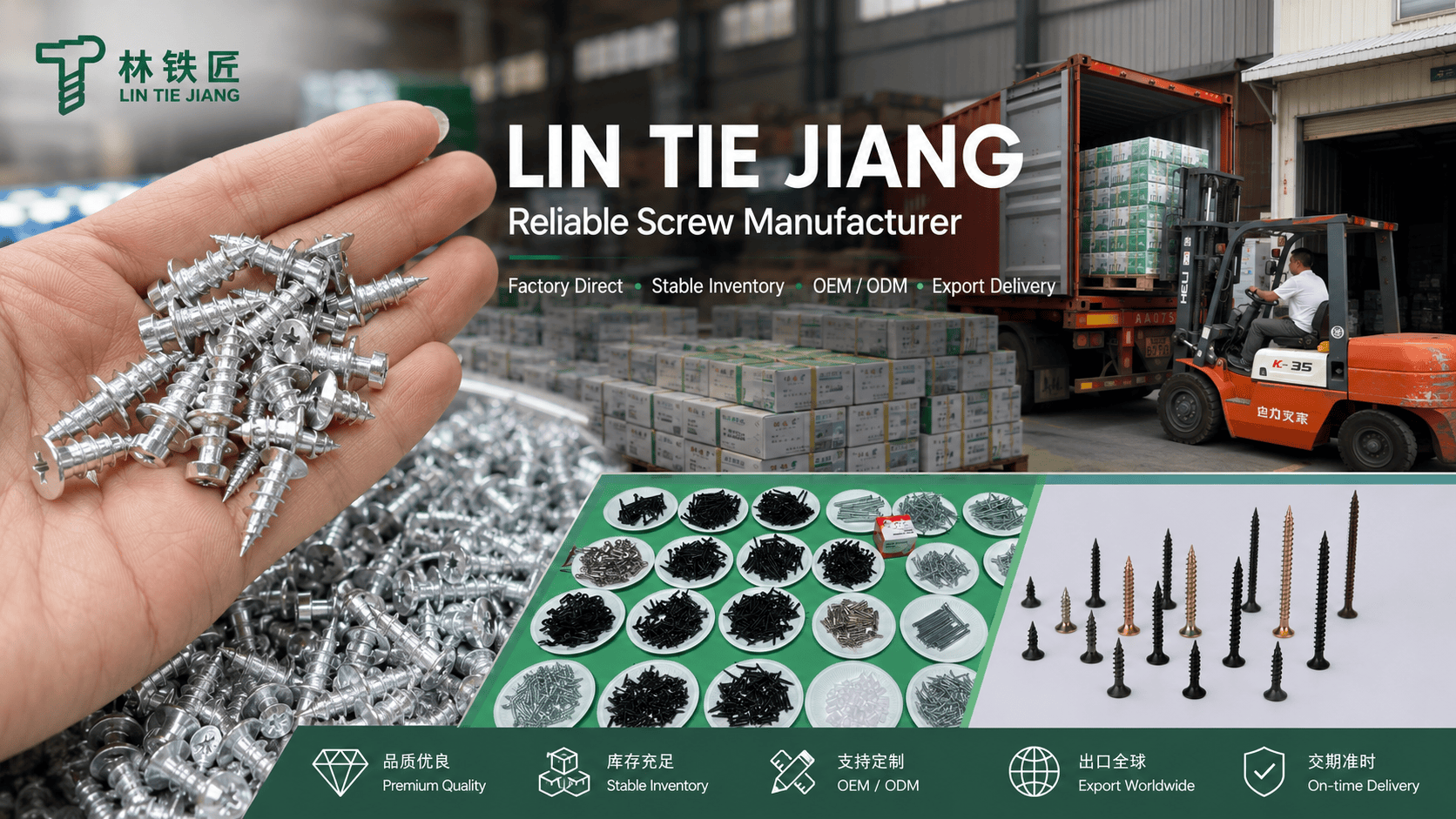
Self-Drilling vs. Self-Tapping Screws: A Wholesaler’s Guide to Selection and Sourcing
For hardware wholesalers, the difference between a self-drilling screw and a self-tapping screw is more than a minor technical detail. It can affect installation efficiency, contractor satisfaction, product returns, and long-term customer trust. Selecting the correct fastener type is critical to ensuring installation integrity and preventing failures such as thread stripping or screw snapping.
At Lin Tie Jiang, we provide factory-direct fasteners for B2B buyers, including self-drilling screws, self-tapping screws, chipboard screws, drywall screws, and other hardware products. This guide explains the technical distinctions between self-drilling and self-tapping screws to help wholesalers, importers, and distributors make better sourcing and inventory decisions.
Direct Answer Summary
Self-drilling screws are designed with a drill-bit point and can drill their own hole, making them suitable for metal-to-metal applications such as steel framing and roofing. Self-tapping screws are designed to form or cut threads into a pre-drilled hole, making them suitable for wood, plastic, and light-gauge materials. For B2B buyers, the right choice depends on the application material, installation method, strength requirement, coating, and target customer usage scenario.
The Technical Difference: A Quick Reference
Although these two screw types may look similar to the untrained eye, their manufacturing processes, tip designs, and intended applications are significantly different. Understanding these differences helps wholesalers reduce returns, improve product matching, and support downstream customers more professionally.
Self-Drilling Screws: The Drill-Point Advantage
Self-drilling screws are engineered with a point that functions like a drill bit. This design allows the fastener to bore through metal substrates without requiring a separate pilot hole. For effective production, high-precision heading and threading machines are required to keep the drill point centered, properly formed, and hardened enough to prevent breakage during installation.
Self-Tapping Screws: The Thread-Forming Essential
Self-tapping screws are designed to cut or form their own threads into an existing hole. They usually feature a sharp or tapered point. Since they are not primarily used to drill through solid material, the manufacturing focus is on thread geometry, surface hardness, and thread-forming performance. This helps the screw tap into the material without stripping the hole or damaging the substrate.
Comparison Table: Specifications at a Glance
| Feature | Self-Drilling Screws | Self-Tapping Screws |
|---|---|---|
| Tip Design | Drill-bit point | Sharp or blunt point |
| Pilot Hole | Not required | Required |
| Primary Use | Metal-to-metal applications, such as steel framing | Wood, plastic, and light-gauge metal |
| Manufacturing Focus | Hardened drill-point geometry | Precise thread cutting angle |
Inventory Selection: Matching Screws to Applications
Stocking the wrong screw type can lead to product returns, customer complaints, and damage to a wholesaler’s brand reputation. The correct choice depends on the application environment, installation material, and the type of end user your customers serve.
Metal-to-Metal and Heavy Gauge Applications
When your customers work with steel framing, roofing, metal sheets, or heavy-gauge metal applications, self-drilling screws are often the preferred choice. They save time on the job site because users do not need to drill a separate pilot hole before fastening. For these applications, tensile strength, drill-point hardness, and coating consistency are especially important.
As a factory-direct manufacturer, Lin Tie Jiang focuses on stable production control to help ensure that self-drilling screws can penetrate suitable metal gauges without tip snapping or thread failure.
Wood, Plastic, and Light Gauge Materials
For general construction, carpentry, furniture assembly, plastic substrates, and light-gauge materials, self-tapping screws are commonly used. In these cases, a pre-drilled pilot hole helps the screw form threads more accurately and maintain a secure grip without damaging the material structure.
For wholesalers and distributors, self-tapping screws can be a strong inventory category because they are widely used in furniture, light construction, hardware retail, and general assembly applications.
Quality Control: Preventing Snapping and Stripping
One of the most common complaints from end users is screws that snap during installation or fail to hold properly after being driven. These failures are often caused by poor raw material control, improper heat treatment, weak coating adhesion, or inconsistent thread precision.
The Anatomy of a High-Quality Screw
A failure-resistant screw is the result of controlled heat treatment, reliable raw material, precise forming, and consistent thread rolling. If the steel is too brittle, the screw may snap. If it is too soft, the thread may deform under pressure. A balanced manufacturing process helps ensure the screw can withstand the torque required for industrial and construction applications.
Critical Testing Protocols
Before bulk orders are shipped, reliable screw manufacturers should use practical quality-control steps to check performance consistency. Important inspection items include:
- Torque Testing: Samples are tested to confirm that the screws can withstand the required driving force without shearing.
- Hardness Testing: Surface and core hardness are checked to balance cutting performance and breakage resistance.
- Thread Precision Checks: Thread pitch and shape are inspected to reduce installation problems and assembly failure.
- Corrosion Resistance Testing: For outdoor or humid environments, salt spray testing can be used to verify zinc plating and anti-corrosion coatings.
The Factory-Direct Advantage
Sourcing from a trading company can sometimes result in unclear supply chains, inconsistent communication, and inflated costs. Partnering with a dedicated screw manufacturer like Lin Tie Jiang gives B2B buyers more control over specifications, lead times, packaging, and long-term supply stability.
Eliminating Middlemen
By working directly with a factory, wholesalers and importers can reduce unnecessary middleman markups and communicate technical requirements more clearly. This helps protect profit margins and improve product consistency across repeat orders.
Supply Chain Stability
For B2B buyers, stable supply is as important as price. Lin Tie Jiang supports bulk orders with export-standard packaging, durable cartons, and practical shipment preparation. Proper packaging helps ensure screws arrive in sellable condition instead of damaged, loose, or spilled during international transit.
Customization: OEM/ODM Support
Different markets may require different screw lengths, head styles, coatings, packaging formats, or labeling requirements. Lin Tie Jiang supports OEM/ODM customization for head types, dimensions, surface treatments, and packaging. This helps wholesalers and distributors build product lines that match their local market demand.
FAQ
Do self-tapping screws always require a pilot hole?
Yes. Self-tapping screws are designed to cut or form threads into a pre-drilled hole. Using them without a pilot hole in hard materials can cause snapping, poor thread formation, or surface damage.
Why do screws snap during installation?
Screw snapping is usually caused by low-quality steel, improper heat treatment, poor hardness balance, or incorrect application. A reliable manufacturer should use torque testing and hardness testing to reduce brittle failure.
Can Lin Tie Jiang customize head types and coatings?
Yes. Lin Tie Jiang supports OEM/ODM customization, including head shapes, screw lengths, thread types, zinc plating, black phosphate, stainless steel options, and other corrosion-resistant coatings.
How does factory-direct pricing affect my margins?
Factory-direct sourcing helps reduce trading-company markups and gives buyers more direct control over production communication, lead time, technical requirements, and repeat-order consistency.
What quality control steps do you take?
Our quality-control process includes raw material inspection, thread precision checks, hardness testing, torque testing, surface treatment inspection, and finished product inspection before shipment.
Ready to Upgrade Your Fastener Inventory?
Success in the hardware wholesale industry depends on the reliability of your supply chain. Whether you need high-volume self-drilling screws, self-tapping screws, or custom fasteners for your catalog, Lin Tie Jiang can support your sourcing needs with factory-direct production, export packaging, and OEM/ODM service.
Consult with our team to discuss your screw requirements, sample needs, and bulk order specifications.
WhatsApp: +86 180 2600 9795
Website: https://www.lintiejiangtrade.com
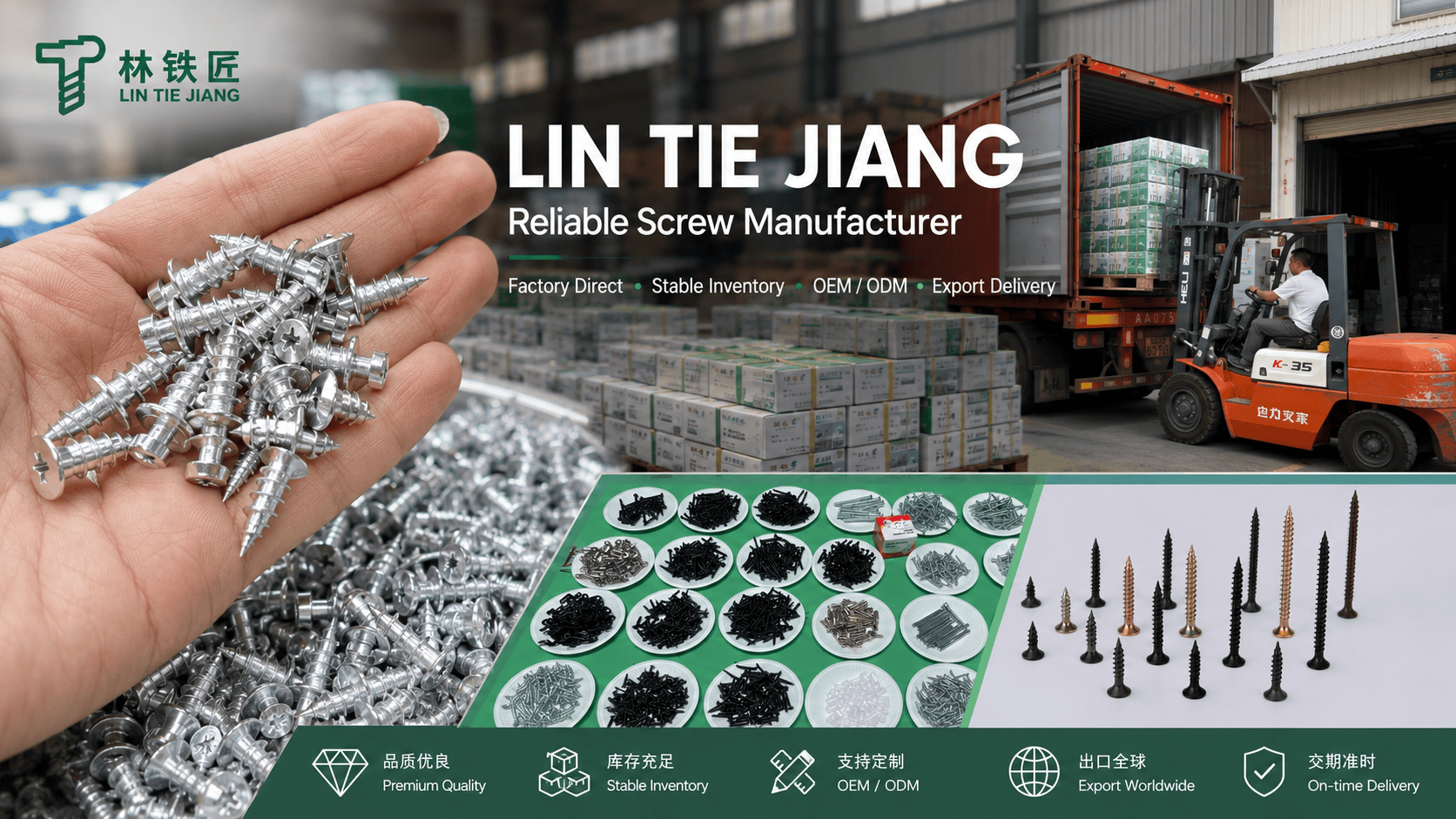
What is the difference between self-drilling screws and self-tapping screws for B2B buyers?
Self-drilling screws are suitable for applications where the screw must drill through metal without a pilot hole, while self-tapping screws are suitable for forming threads into a pre-drilled hole in wood, plastic, or light-gauge materials. B2B buyers should choose based on material type, installation environment, coating requirements, quality testing, and bulk-order application needs.